Starting a Language Teaching YouTube Channel: A Realistic First Plan
Thinking about a language teaching YouTube channel? This realistic first plan covers niche, equipment, your first thirty days, and the mistakes that quietly kill most new channels.
You know a language well enough to teach it, and you have watched enough language learning channels to think you could do it better, or at least differently. The gap between that instinct and an actual first upload is where most language teaching channels quietly die. Here is a plan that treats the channel like a teaching product from day one, not an experiment you will figure out later.
I want to create a YouTube channel about language teaching, what should I do?
Start by narrowing your channel to one specific language, one specific learner level, and one specific outcome, such as conversational Spanish for absolute beginners preparing to travel. Then plan ten to twenty video topics built around the exact questions that level of learner searches for, record with basic but clear audio, and publish on a consistent schedule before worrying about advanced editing or equipment. Niche clarity and consistency matter far more in the first three months than production value.
What a viable teaching niche IS and IS NOT
IS: A specific language, level, and use case, such as business English for non native professionals preparing for job interviews. IS NOT: A general "learn any language with me" channel with no defined learner or outcome.
To build a language teaching channel means creating a structured, searchable library of lessons aimed at a specific learner, and the fastest way to get discovered is to build that library around the exact phrases and questions your target learner types into YouTube search.
TABLE OF CONTENTS
- Why niche and level come before everything else
- What is a language teaching channel, really
- Step by step: your first thirty days
- Equipment that actually matters at the start
- Content structure that keeps learners watching
- Using captions and subtitles as a discoverability tool
- Consistency versus perfection
- Monetization paths beyond ad revenue
- Frequently asked questions
- Conclusion and next step
Why niche and level come before everything else
Language learning is one of the most crowded categories on YouTube, and channels that try to serve every learner of every language end up serving no one particularly well. The channels that break through tend to pick a language pair, a level, and often a specific use case, then own that space completely before expanding.
Consider the difference between "learn Spanish" and "conversational Spanish for English speakers planning a trip to Mexico." The second version tells a potential viewer exactly what they will get, and it tells YouTube's recommendation system exactly who to show the video to. Vague channels get vague distribution.
What is a language teaching channel, really
A language teaching channel IS a structured, ongoing series of lessons organized around a clear learner journey, not a collection of unrelated videos about a language. It IS NOT a personal vlog that happens to feature language content occasionally, and it IS NOT a channel that jumps between five different languages depending on what feels interesting that week.
The most durable language channels function closer to a free course than a media brand. Viewers arrive through search, find a video that answers a specific question such as how to conjugate past tense verbs, and then discover there is a structured path of lessons waiting for them, which is what turns a single view into a subscriber.
Step by step: your first thirty days
Begin by writing down the exact learner you are teaching: their current level, their goal, and the specific obstacle they are trying to overcome. Then list twenty video topics phrased as the actual questions that learner would type into a search bar, things like "how to introduce yourself in French" or "common Japanese greetings for beginners," rather than broad topics like "French basics."
Record your first five videos before publishing any of them, using a simple structure: hook, teaching content, practice example, recap. A USB condenser microphone, a smartphone or basic webcam, and one soft light are enough equipment to start. Publish on a fixed weekly schedule and hold that schedule for at least ten weeks before evaluating what is working, since early data on a new channel is too noisy to act on after only two or three uploads.
Equipment that actually matters at the start
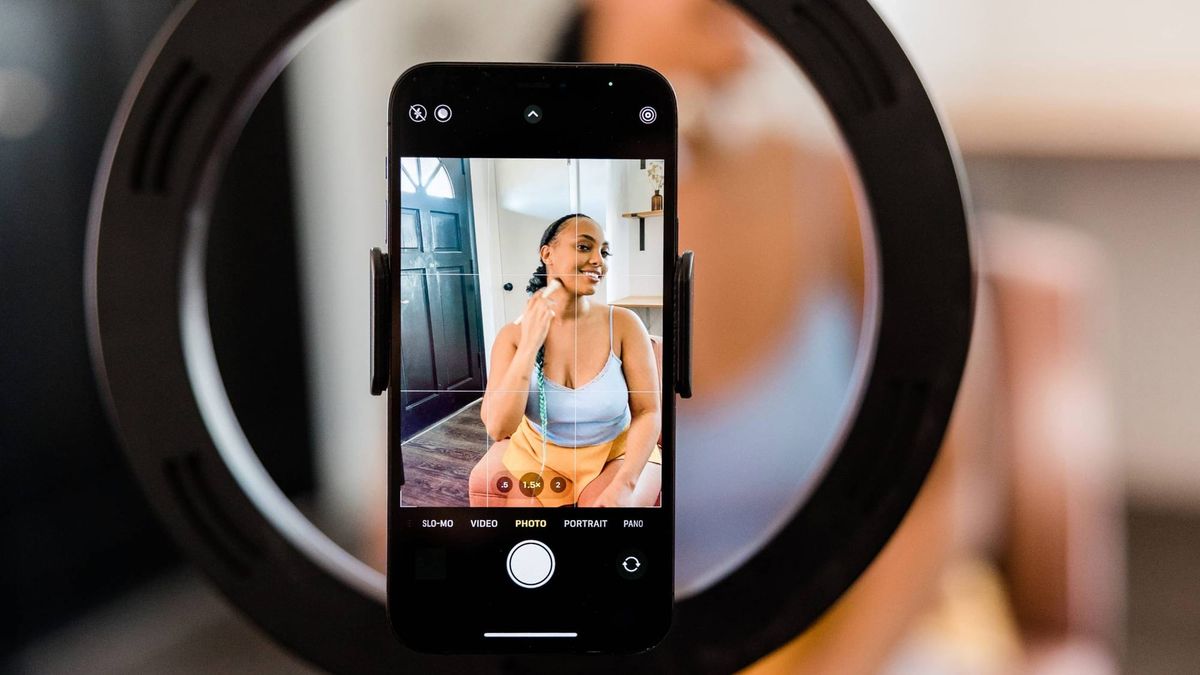
Audio quality affects retention more than video quality on an educational channel, since viewers can tolerate a modest picture but will click away quickly from muffled or echoey sound. A USB condenser microphone in the fifty to one hundred dollar range solves the majority of audio problems. Beyond that, a smartphone camera or a basic webcam is genuinely sufficient, paired with one or two soft lights positioned to avoid harsh shadows. Free editing software such as CapCut or DaVinci Resolve covers everything a new teaching channel needs; there is no reason to invest in expensive editing tools before you have proven the content itself works.
Content structure that keeps learners watching
Teaching videos retain viewers when the structure is predictable. Open with a clear statement of what the viewer will be able to do by the end of the video, not a long personal introduction. Teach the core concept using simple, concrete examples rather than abstract grammar explanations. Include a short practice moment where the viewer repeats or applies what they just learned, since active recall keeps attention and reinforces the lesson. Close with a brief recap and a natural pointer to the next logical lesson in the sequence.
Series structure matters as much as individual video quality. A ten part "absolute beginner to conversational" series gives viewers a reason to keep watching your channel specifically instead of jumping to a different creator for the next topic.
Using captions and subtitles as a discoverability tool
Captions are not just an accessibility feature on a language channel, they are core to how learners actually use the content. Many viewers deliberately slow playback and read along to train their ear, and accurate, well timed captions in the target language make that possible. Captions also give YouTube's search and recommendation systems more text to match against learner queries, which directly affects how often your videos surface in search.
If your audience includes learners outside English speaking countries, translating your titles, descriptions, and captions into the language of the audience you are trying to reach can meaningfully expand your reach, since a large share of the internet does not search in English at all.
Consistency versus perfection
New creators frequently delay their first upload chasing better equipment, a better script, or a better setup. The channels that grow are almost always the ones that published a merely acceptable video on schedule rather than a polished video whenever inspiration struck. YouTube's recommendation system rewards consistency and accumulated watch history on a channel, which means the tenth video on a channel published weekly usually performs better than the tenth video on a channel published sporadically over a year, even if the individual video quality is similar.
Monetization paths beyond ad revenue
Ad revenue on a new language channel is typically modest until the channel accumulates significant watch time. Most successful language teaching creators build toward a mix of income sources: affiliate links to language learning apps and course platforms, a paid course or ebook that goes deeper than the free videos, one on one or small group tutoring booked through the channel, and eventually sponsorships once the audience is large enough to interest advertisers. Treat the channel itself as the discovery layer, not the sole revenue engine.
Frequently Asked Questions
How many subscribers do I need before a language channel becomes worth the effort? There is no fixed threshold. Channels with a few thousand engaged subscribers in a specific niche often generate more tutoring or course revenue than much larger, less focused channels, because the audience is more targeted.
Should I show my face on camera? It helps build trust and connection but is not required. Many successful language channels use screen recordings, text on screen, and voiceover instead, particularly in the tutorial and reference content niche.
How often should I upload when starting out? Once a week on a fixed day is a realistic, sustainable pace for most new creators, and it is far more effective than an ambitious daily schedule that collapses after two weeks.
Do I need to be a certified teacher to start a language teaching channel? No, but you do need genuine fluency and the ability to explain concepts clearly. Many successful creators are native speakers or advanced learners rather than certified instructors, though certification can help with credibility for exam preparation content.
What is the biggest mistake new language teaching channels make? Trying to cover too many languages or too many levels at once. A tightly defined niche, even a narrow one, grows faster than a broad, unfocused channel.
Conclusion
Write down your specific learner, their level, and their goal today, then turn that single sentence into your first twenty video topics before you touch a camera.